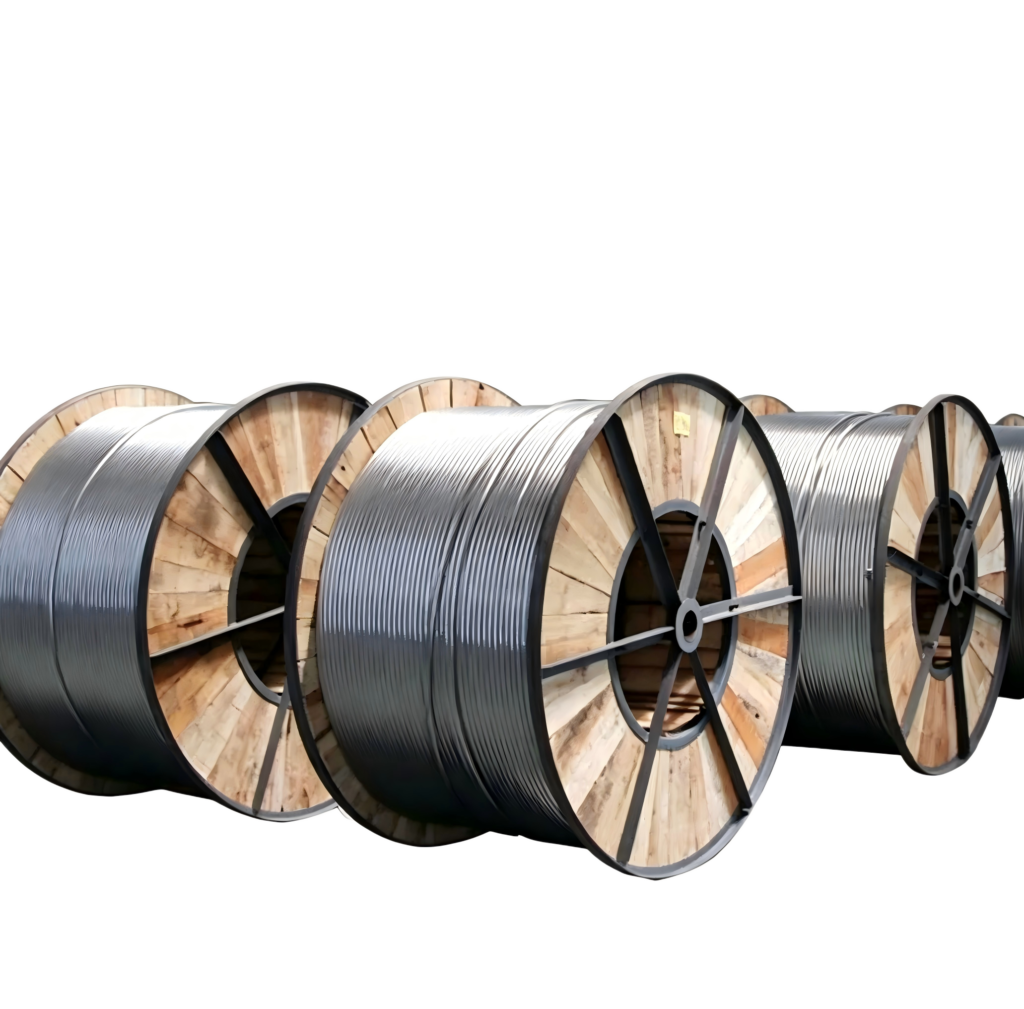
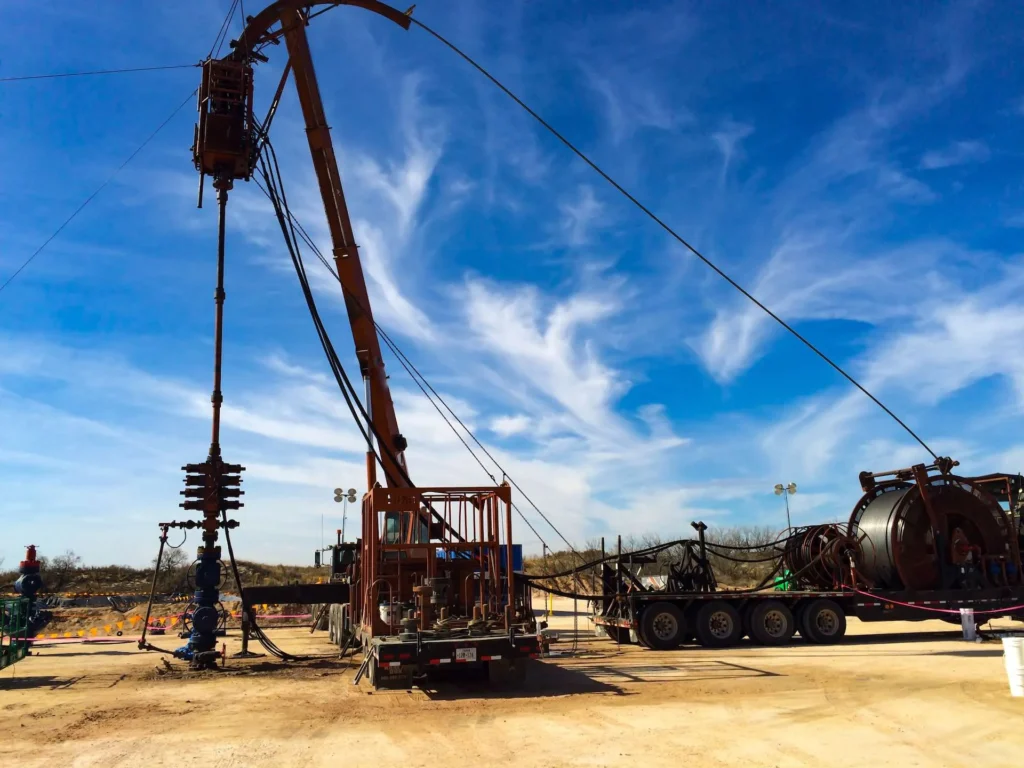
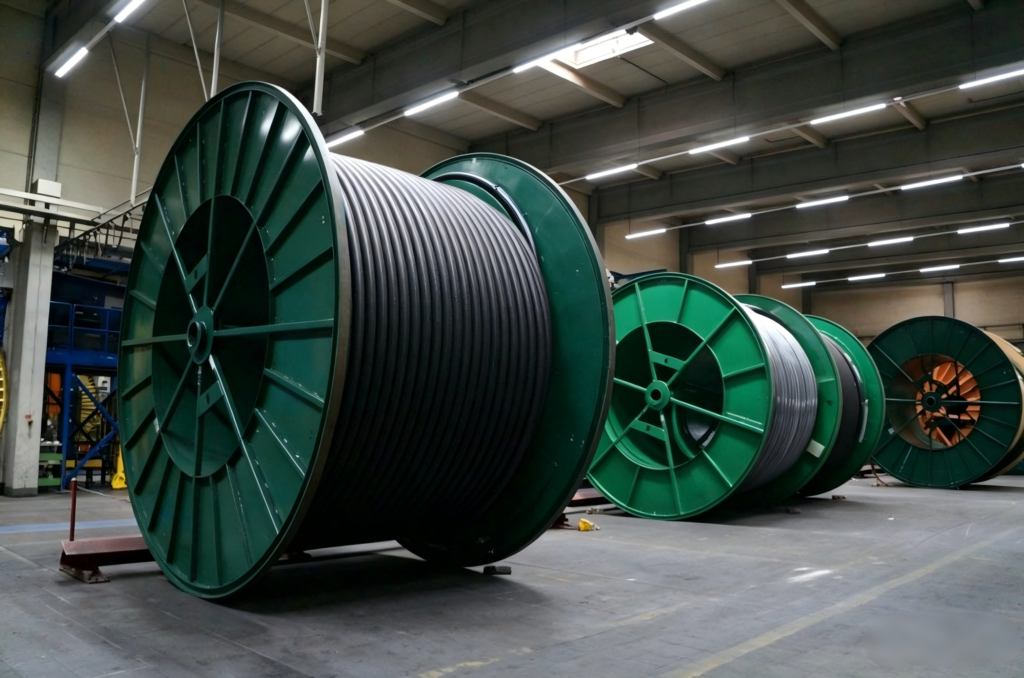
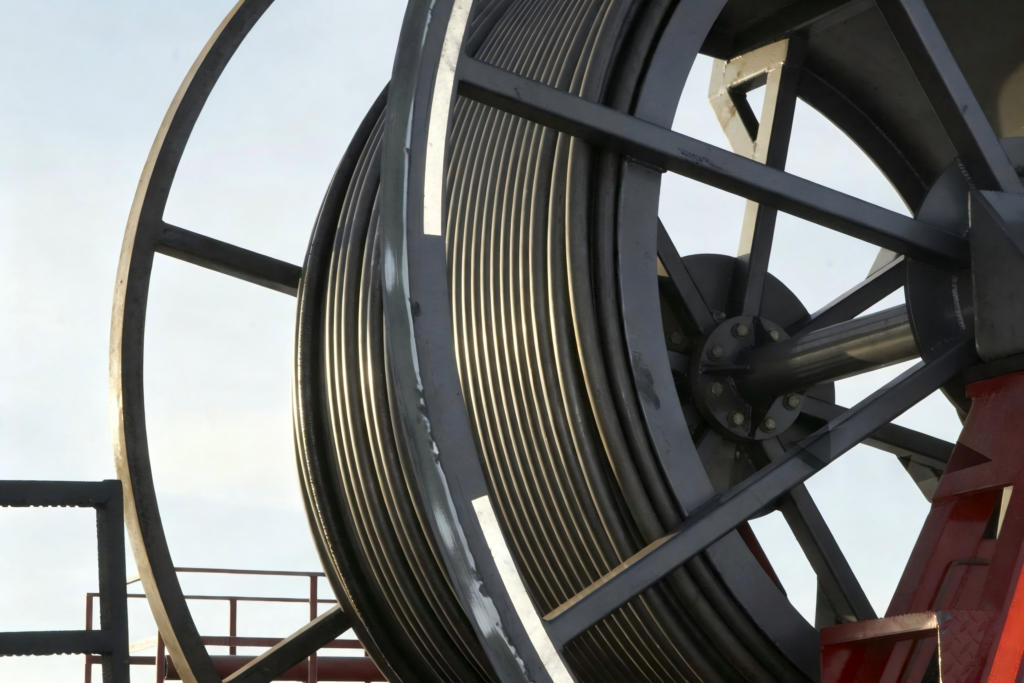
Coiled Tubing is a continuous, jointless steel piping string designed primarily for stimulation, maintenance, and diagnostic operations in oil and gas wells.
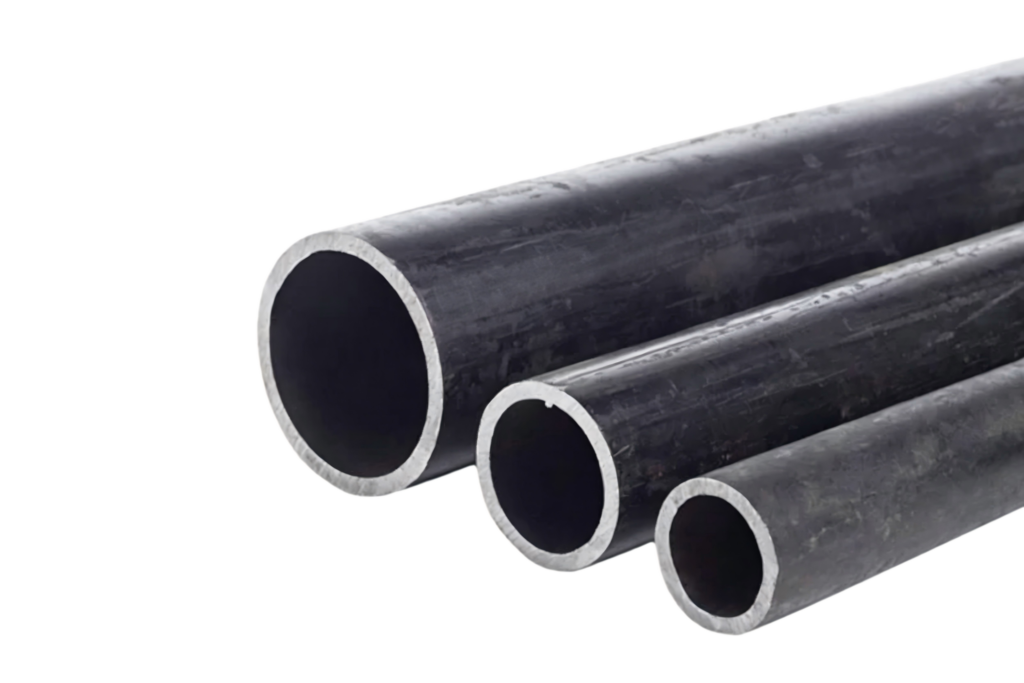
While sharing manufacturing similarities with capillary tubing, Coiled Tubing features larger diameters (1″ – 3.5″) and higher strength grades (CT70 – CT130). It is engineered to meet the requirements for high-flow pumping, high mechanical load-bearing capacity, and effective reach in horizontal wellbore sections during temporary interventions.
Our Coiled Tubing products cover a full range of strength grades from CT70 to CT130. By strictly controlling sulfur and phosphorus impurities and employing advanced micro-alloying and full-body heat treatment, we ensure superior impact toughness and bend-fatigue resistance even at high strength levels. For Sour Service environments, specialized grades compliant with NACE standards are available to enhance resistance to Stress Corrosion Cracking (SCC).
Wellbore Cleanout
Circulate out sand, scale, or paraffin by pumping fluids through coiled tubing to restore productivity.
Nitrogen Lifting
Inject high-pressure nitrogen to reduce fluid density and unload liquids, initiating natural flow.
Acidizing & Fracturing
Precisely pump acid or fracturing fluids to target formations for localized stimulation and enhanced permeability.
Milling & Plug Removal
Mill out frac plugs using downhole motors on coiled tubing to clear obstructions and establish production paths.
Logging & Live Well Intervention
Enable intervention under pressurized conditions and deploy cables into extended-reach horizontal sections.
Optional Encapsulation
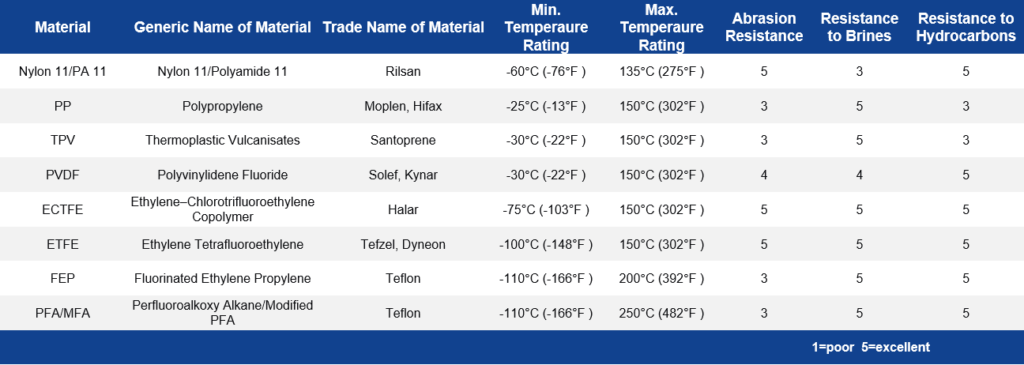
Protective external jackets in Nylon 11, PVDF, or specialized polyolefins for enhanced abrasion and corrosion resistance.
Eddy Current Testing
Eddy current testing (ECT) is conducted on longitudinally seam-welded tubing and strip splice welds at the intermediate size stage, in the as-heat-treated condition.
Hydrostatic Testing
Hydrostatic testing is performed on the final size of the tubing using water, unless the tubing is intended for service with oil, in which case oil shall be used as the test medium.
Pneumatic Testing
Pneumatic testing is preferred where residual moisture is unacceptable or in low-temperature environments, by using compressed gas—typically air or nitrogen—to verify the leak-tightness and pressure resistance.
Full-length Drift Testing
Full-length drift testing is available upon specific request to verify internal clearance and guarantee a seamless, risk-free cable installation for complex downhole environments.
_工作區域-1-複本-15.png)